Stacks
Analytics you never read are just weight
Most sites carry three tracking scripts and read none of them. Data you never act on isn’t insight, it’s load time and a privacy liability.
Most sites carry three tracking scripts and read none of them. Data you never act on isn’t insight, it’s load time and a privacy liability.
We audit a lot of sites at Dthree, and a pattern repeats. There are three or four analytics and tracking scripts loaded on every page, added over the years by different people for different reasons. When I ask what decisions the team has made from that data in the last six months, the answer is usually a slightly embarrassed nothing. They’re collecting everything and reading none of it. The data isn’t informing anything. It’s just sitting on every page, slowing it down.
Analytics you never actually read aren’t insight. They’re weight, and a liability.
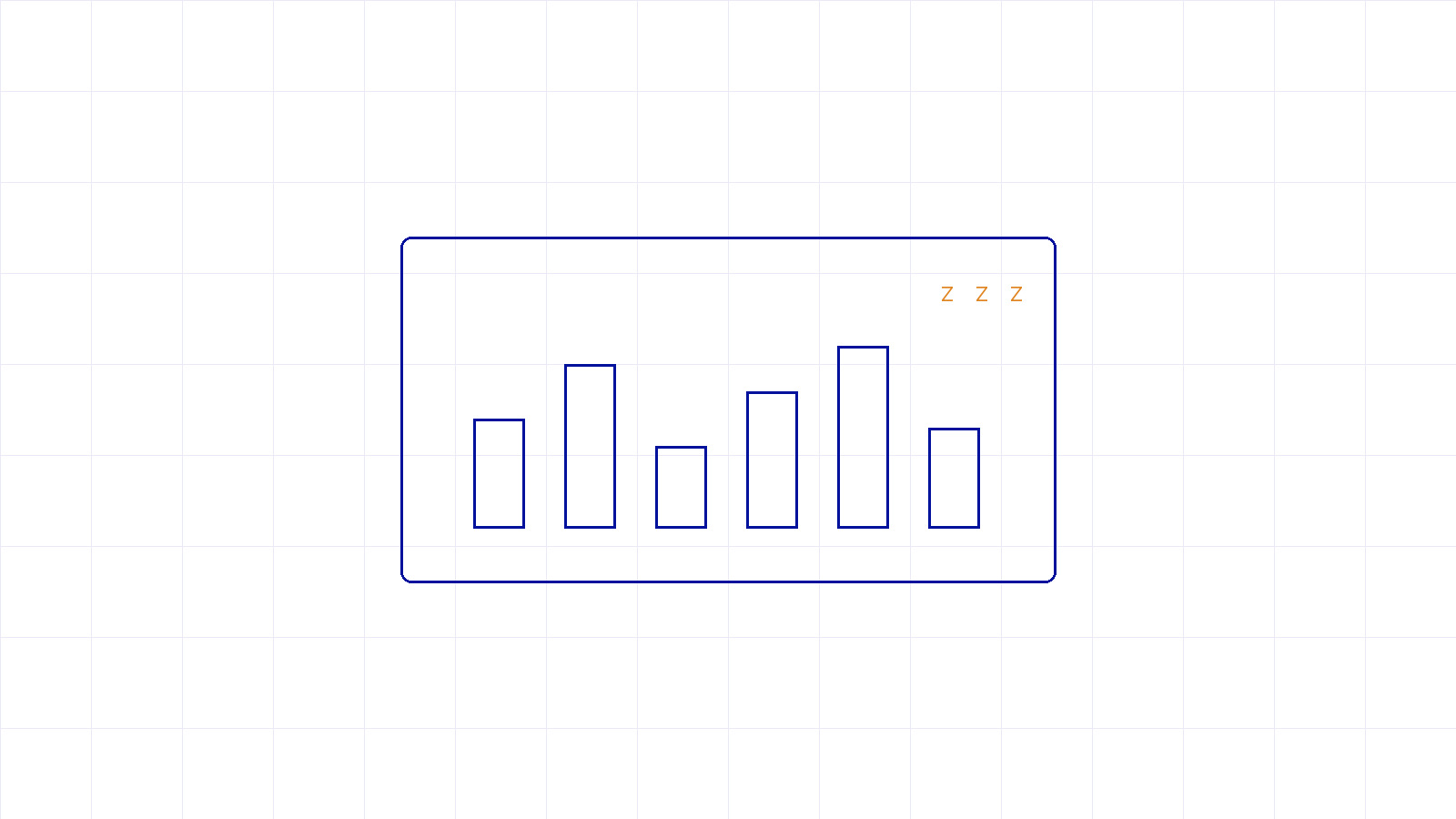
The goal of analytics was never to collect data. It was to make better decisions. Data you never look at, or look at but never act on, has skipped the only step that gave it value. Meanwhile every tracking script is a real cost: it slows the page, it complicates your privacy obligations, and it lulls the team into feeling data-driven while nothing actually changes.
Data you don’t act on isn’t an asset. It’s load time and a liability wearing a dashboard.
The fix isn’t more dashboards, it’s fewer, tied to real questions. Pick the handful of metrics that would actually change what you do, measure those well, and cut the rest, because each one you drop is a faster page, which is the whole argument of speed is a feature. Every tracker is also one more integration you’re maintaining, so the count deserves the same scrutiny as any other dependency.
Audit what you track. Keep only the metrics you genuinely read and act on, and remove the rest, both for speed and for the privacy obligation you’re quietly carrying. A site that measures three things it uses beats one that measures thirty it ignores. If your pages are carrying trackers nobody reads, that’s easy weight to shed.
New writing on how the web actually gets built, plus the free pixel wallpaper pack when you subscribe.
Related reading
Tell me about your project. I read every message myself.
Get in touchBased in Manila, working with teams across time zones.