Stacks
The no-code ceiling is real, and that’s fine
No-code tools have a limit. Knowing where it is, and respecting it, is more valuable than pretending it doesn’t exist.
No-code tools have a limit. Knowing where it is, and respecting it, is more valuable than pretending it doesn’t exist.
A team built an ambitious product on a no-code tool and got remarkably far, faster than any hand-coded version would have. Then they hit the wall every no-code build eventually meets: a feature the tool simply wouldn’t do, no matter how they bent it. They spent weeks fighting the platform, stacking workarounds on workarounds, when the honest move was to accept the ceiling and step outside it for that one piece. The tool wasn’t the failure. Pretending it had no limit was.
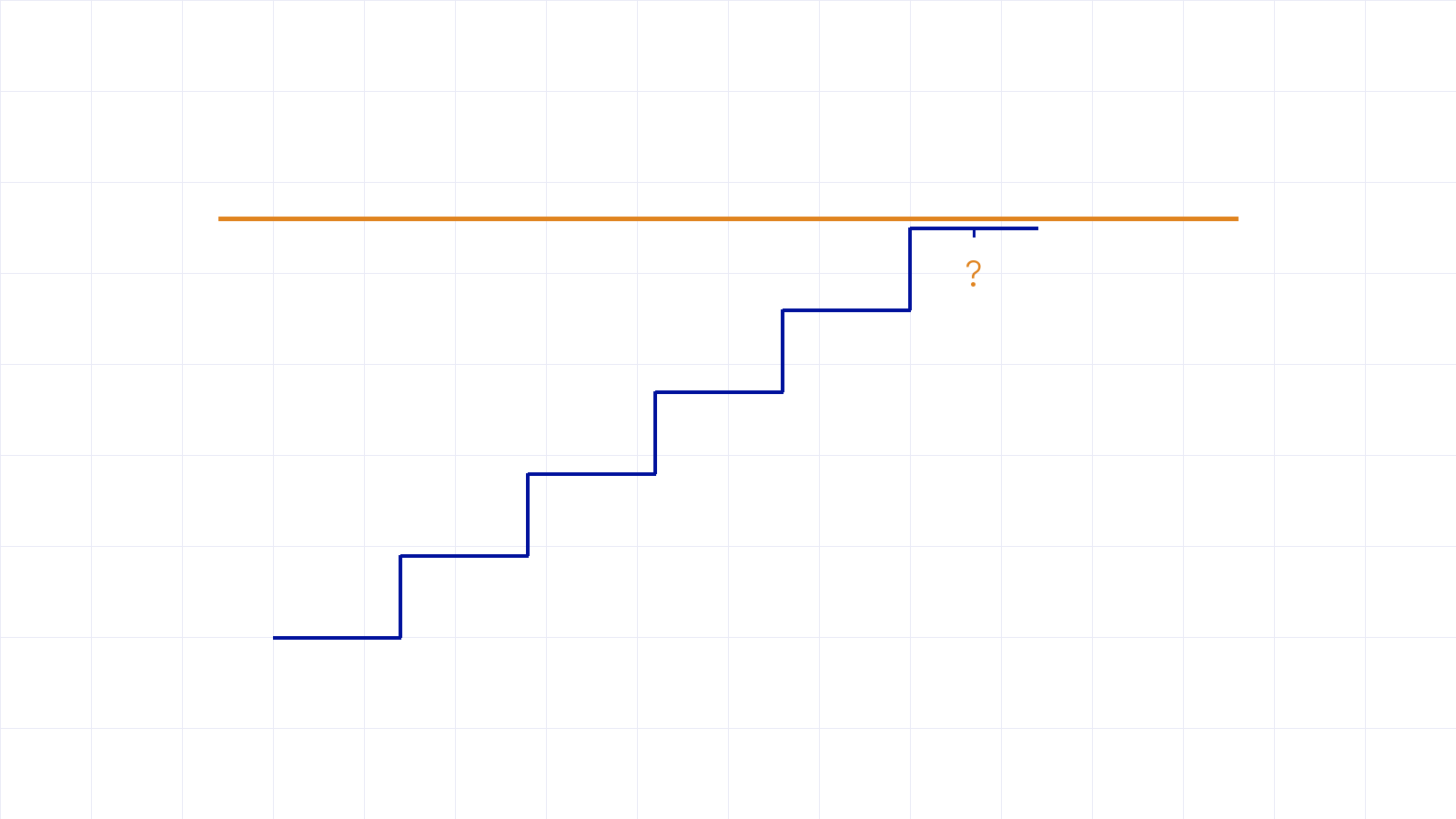
No-code platforms are genuinely powerful across a huge range of work. Tools like Webflow can carry a serious marketing site, a real CMS, and a polished front end with no hand-written code at all. But every no-code tool has a point past which the effort to force it exceeds the effort to build it properly. The skill isn’t avoiding no-code. It’s knowing exactly where its ceiling sits for the project in front of you.
A tool’s limit isn’t a flaw. Refusing to see it is.
The mature answer is rarely all-or-nothing. It’s knowing where the line is and being willing to cross it deliberately, a no-code marketing site with one custom-built piece where the product genuinely needs it, rather than forcing the whole thing into one tool out of purity. That’s the same fit-over-fashion thinking I laid out in choosing the tool by the job, and it pairs with knowing that every clever workaround you bolt on is another thing to maintain, which is the whole point of every integration is a promise you’ll maintain.
Reaching for the proven, well-understood path first is usually right, the argument I made in boring technology is a competitive advantage. No-code, used within its ceiling, is often exactly that: boring, dependable, and quietly excellent.
Pick no-code with clear eyes about where it stops, and you’ll move fast and stay sane. Choose it while pretending the ceiling isn’t there, and you’ll eventually spend your best weeks wrestling a tool into doing something it was never built to do. Respect the limit and it becomes an advantage, not a trap. If you’re trying to work out where that line sits for your own build, that’s a good conversation to have before you commit.
New writing on how the web actually gets built, plus the free pixel wallpaper pack when you subscribe.
Related reading
Tell me about your project. I read every message myself.
Get in touchBased in Manila, working with teams across time zones.