Web Building
The web of things: your stack is a toolkit, not a religion
The modern web is a sprawl of specialized tools that have to talk to each other. Treating your stack as a toolkit, not an identity, is what keeps projects sane.

The modern web is a sprawl of specialized tools that have to talk to each other. Treating your stack as a toolkit, not an identity, is what keeps projects sane.
Picture a small team, six tools deep. Each one was added for a good reason. A form tool because the native forms were thin. An automation to pass leads to the CRM. A separate analytics script because someone wanted better dashboards. A CMS plugin, a chat widget, an AI assistant bolted on last quarter. Every choice was sensible on its own. Together they became a machine nobody fully understands, where a change in one place quietly breaks something in another.
That’s the modern web, and pretending it’s tidier than that is usually how projects drift.
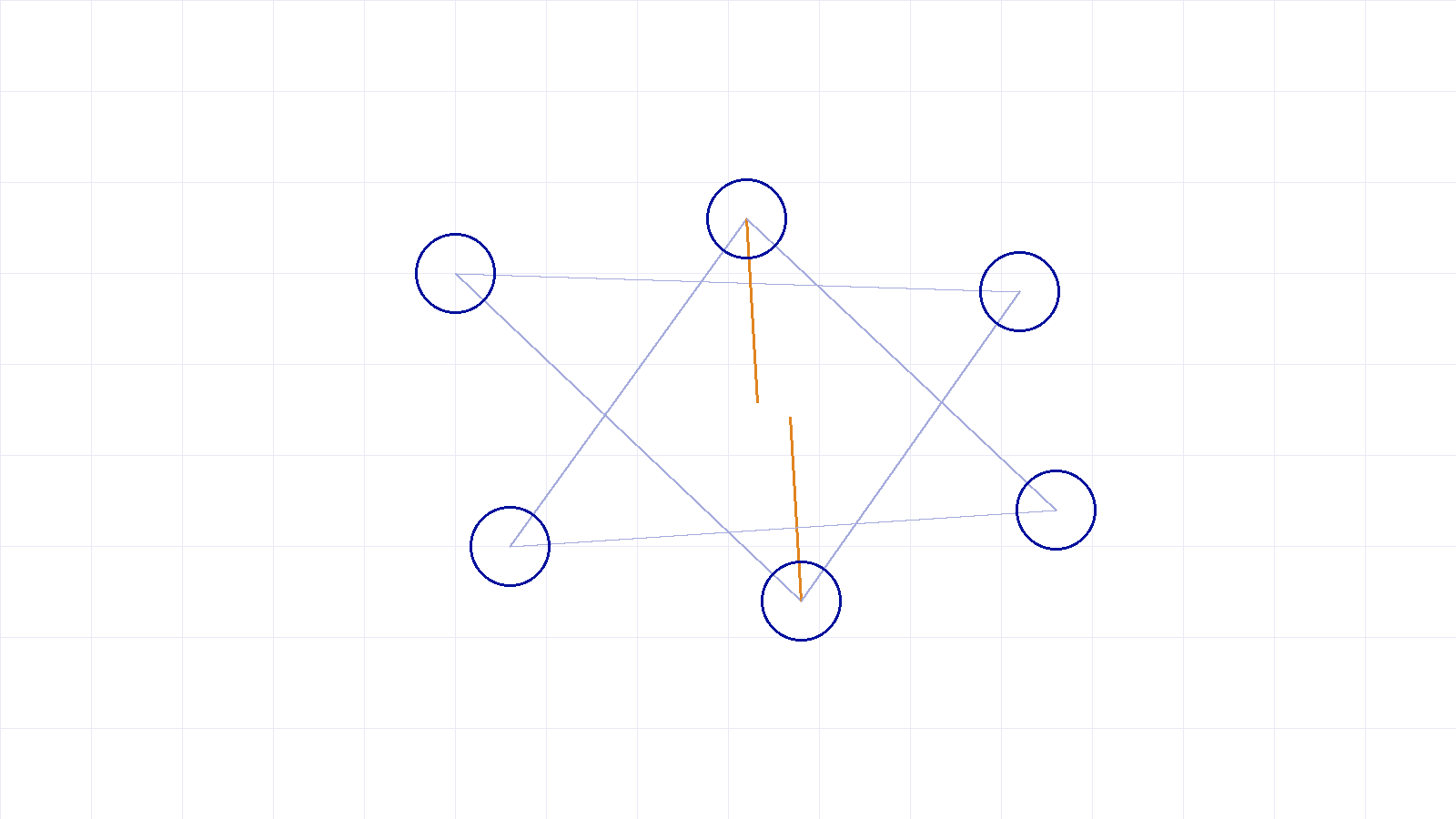
There’s no single platform anymore. There’s a design tool, a builder, a CMS, an analytics layer, a form handler, an automation or two, and now an AI in the mix. The web of things. The skill is no longer mastering one tool. It’s keeping a sprawl of them coherent.
One pattern I catch, in myself as much as anyone, is treating a stack like an identity. "We’re a Webflow shop." "We only do WordPress." It feels like clarity, and it quietly makes decisions for you, whether or not they suit the job in front of you. The six-tools-deep team got there partly this way, each tool the default answer instead of the considered one.
A few things I try to hold onto instead:
A stack you can hold in your head tends to beat a clever one you cannot. Complexity is a bill you pay every month.
New tools land constantly, and most of them are fine. The discipline, if you can call it that, isn’t chasing them or dismissing them. It’s asking whether this one earns its place in the chain, and whether the whole thing still makes sense to the person who runs it after launch.
If your setup has grown one sensible decision at a time into something no one can quite hold in their head, that’s worth a look. Not a rebuild, usually. Just an honest audit of what each piece earns and what it costs. The goal isn’t the most powerful stack. It’s the one your team can actually run on a normal day, without a specialist on call.
Untangling a stack like this, or keeping a new one from getting there, is a good part of what we do at Dthree Digital. If yours feels heavier than it should, I’m happy to take a look.
New writing on how the web actually gets built, plus the free pixel wallpaper pack when you subscribe.
Related reading
Tell me about your project. I read every message myself.
Get in touchBased in Manila, working with teams across time zones.