What a website actually costs in the Philippines (2026)
Website pricing in the Philippines runs from a few thousand pesos to several million, and the number itself is the least useful part. Here’s what you’re actually paying for at each tier.
Hans Allí
·
July 6, 2026
·
4
min read
In short: in the Philippines, a website can cost anywhere from a few thousand pesos a year in DIY subscriptions to seven figures for enterprise platform work. Freelancer builds usually run tens of thousands to low six figures in pesos, and studio builds low six to low seven figures. The tier you need depends on who builds it, what it has to do, and who maintains it after launch. The full breakdown is below.
The question behind the question
How much does a website cost is the question I’ve been asked most often for fourteen years, and the honest answer has never been a number. In the Philippines the same request, we need a website, gets quoted anywhere from twenty thousand pesos to several million, and all of those quotes can be legitimate. The spread isn’t dishonesty. It’s that a website isn’t one product. You aren’t pricing a thing, you’re pricing who builds it, what it has to do, and what happens to it after launch.
Different products that happen to share a name.
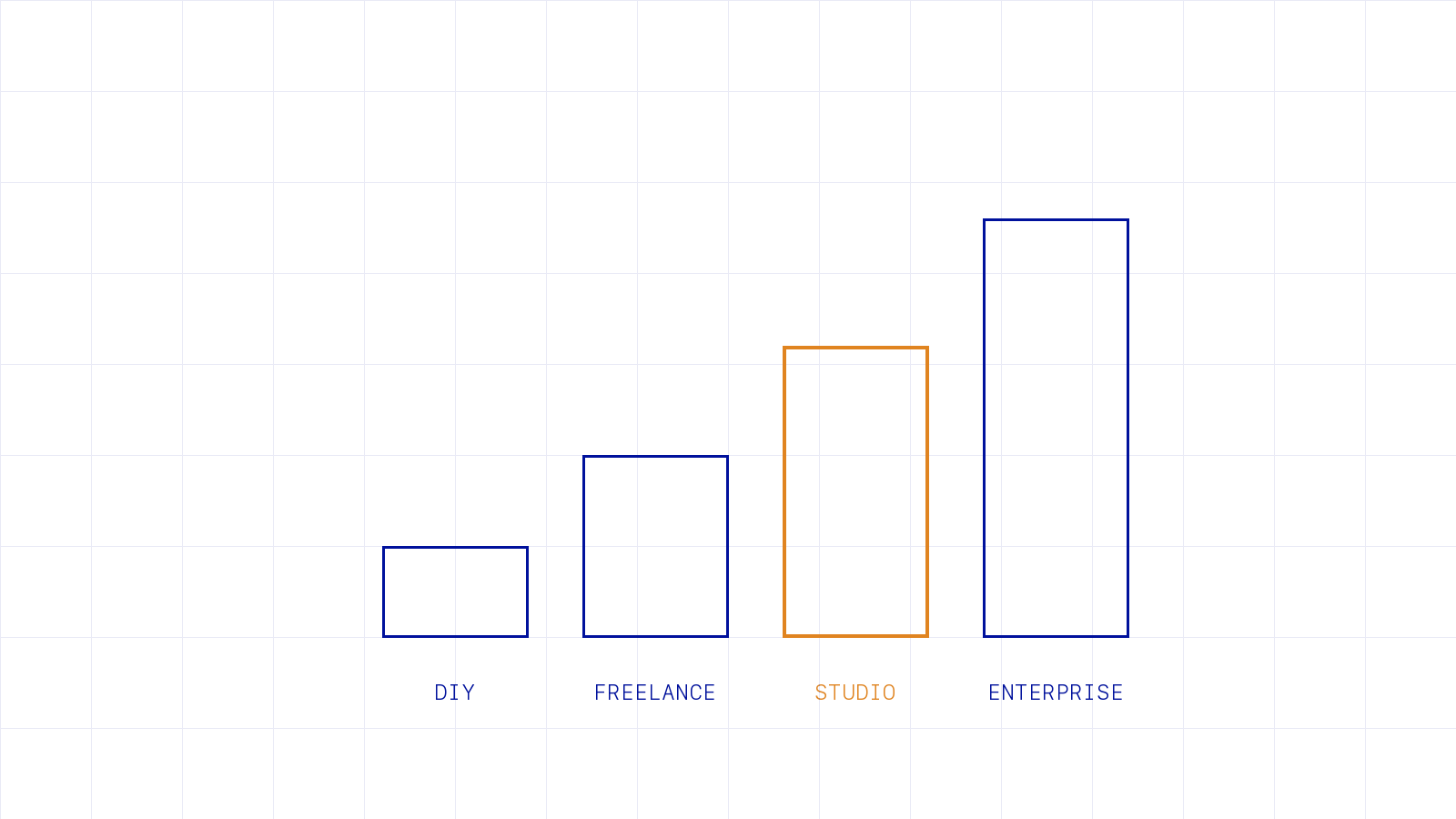
The tiers, honestly
Rather than one number, think in tiers. The ranges below are broad market patterns, not quotes, and every real project deserves its own scoping. But they will orient you.
DIY and templates. A few thousand pesos a year in subscriptions. Real cost: your own time, and a ceiling you’ll feel quickly. Right for testing an idea, wrong for an institution.
Freelancer builds. Roughly tens of thousands to low six figures in pesos. Quality varies wildly, from genuinely excellent to quietly fragile. The risk is rarely the launch, it’s who answers in month eight.
Studio and agency builds. Low six figures to low seven figures in pesos, depending on scope. You’re paying for process: discovery, architecture, design, development, QA, and someone accountable after launch.
Enterprise and platform work. Seven figures up. Integrations, security reviews, migrations, multiple stakeholders, long timelines. The website is the visible tip of a systems project.
Cheap and expensive aren’t points on the same scale. They’re different products that happen to share a name.
What actually moves the price
Within any tier, four things drive the number more than anything else. Scope, obviously: ten pages and eighty pages are different projects. Content: whether the words and images exist or someone has to make them. Custom functionality: every feature that’s not a page, calculators, portals, integrations, adds real engineering. And platform: the choice between something like Webflow and WordPress changes both the build cost and every year after, which is exactly the trade I unpacked in Webflow vs WordPress.
Then there’s the cost almost nobody budgets: what happens after launch. Hosting, maintenance, updates, and the person who fixes things. A site isn’t a purchase, it’s a commitment, and the honest question to ask any builder is the one I wrote about in ask about the maintenance, not the launch.
How to not overpay
Scope the boring version first, ship it, and let real use justify the rest, the argument of ship the boring version first.
Compare proposals by what’s included, not by the bottom line. A cheap quote that excludes content, QA, and support isn’t cheap.
Ask who maintains the site and what that costs annually. If the answer is vague, the real price is unknown.
Pay for judgment, not just production. The expensive mistake is building the wrong thing well.
What this means for your budget
Decide what the site has to do for the business, pick the tier that matches that job honestly, and budget for the years after launch, not just the build. The projects that feel expensive are almost always the ones that were scoped wrong, not priced wrong. If you want an honest read on what your specific project should cost, and which tier it actually belongs in, tell me about it. Whether it lands with me and the team at Dthree Digital or somewhere else entirely, you’ll leave with a straight answer.
Quick questions, quick answers
How much does a basic business website cost in the Philippines?
For a professionally built marketing site, freelancer builds tend to land in the tens of thousands to low six figures in pesos, and studio builds start in the low six figures. Anything far below that usually excludes content, QA, or support, which means the real cost shows up later.
Why do quotes for the same website vary so much?
Because they’re rarely quoting the same product. Scope, content production, custom functionality, and platform choice all move the number, and so does what’s included after launch. Compare proposals by what’s inside them, not by the bottom line.
What ongoing costs should I budget after launch?
Hosting, maintenance, updates, and a person who fixes things. On a platform like Webflow that can be close to the subscription alone; on WordPress it’s a real annual line item. If a builder can’t name this number, the true price of the site is still unknown.
Get the essays
New writing on how the web actually gets built, plus the free pixel wallpaper pack when you subscribe.
Thank you! Your submission has been received!
Oops! Something went wrong while submitting the form.