Opinion
Working with developers without losing the design
The gap between a design and a build is where quality leaks out. Closing it is a collaboration discipline, not a handoff document.
The gap between a design and a build is where quality leaks out. Closing it is a collaboration discipline, not a handoff document.
A designer opens the staging link for the first time and something sinks a little. It’s all there, roughly. The colors, the sections, the copy. But the spacing is off, the type feels heavier, a hover they cared about is missing, and the hero that felt effortless in Figma now feels ordinary. Nobody did anything wrong. The developer built exactly what they were handed. Somewhere in the translation, the thing lost its air.
That gap, between the design and the build, is where good work quietly turns average. It’s rarely one big failure. It’s a hundred small translations no one aligned on.
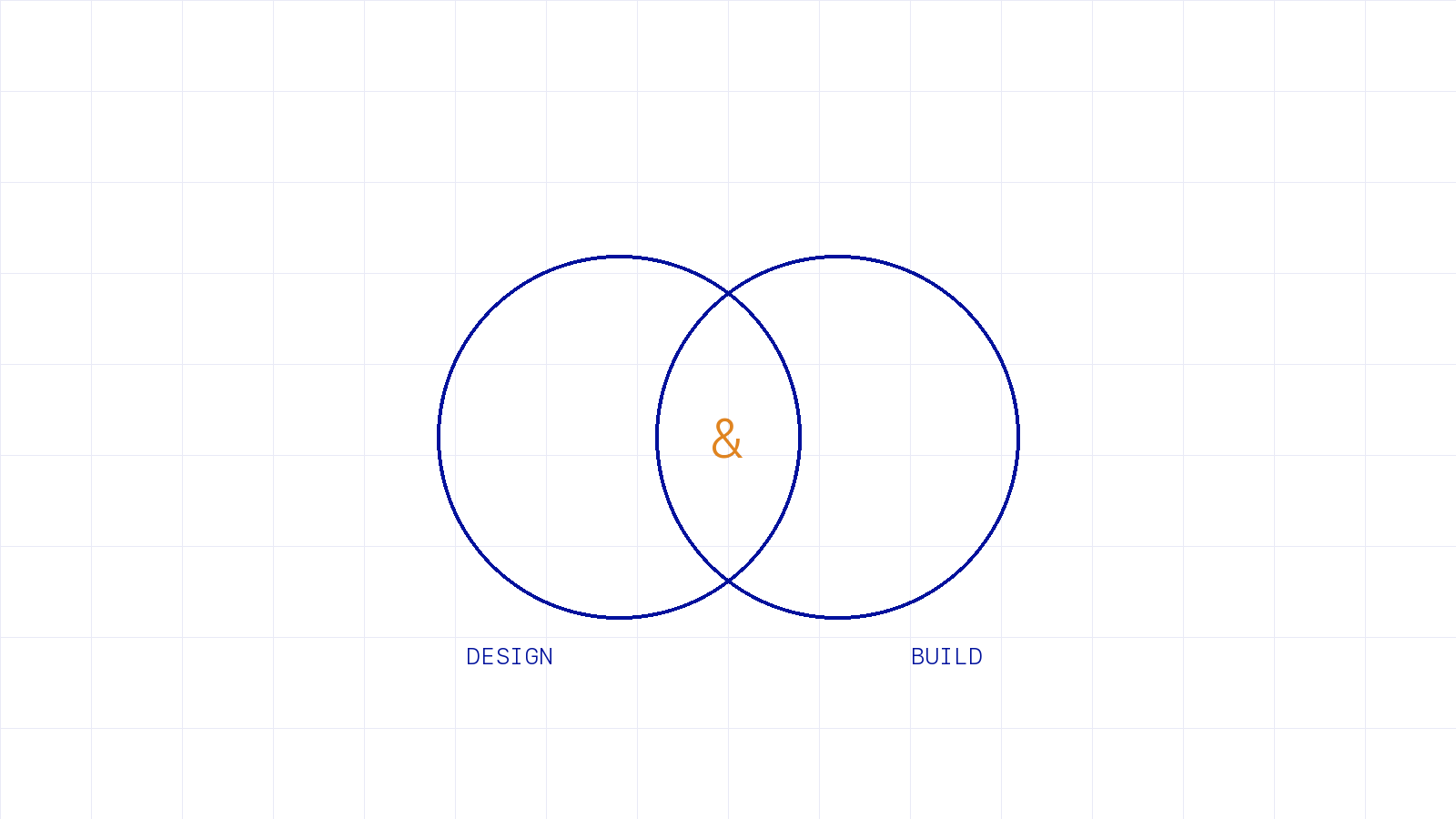
The old model throws a file over the wall and hopes. What I’ve seen actually work is more collaborative: designer and developer sharing a language, reviewing in the real browser together, and deciding side by side where the design should bend to reality and where reality can stretch for the design.
A few habits that close the gap:
The best builds I’ve been part of come down to trust. The designer trusts the developer’s judgment, and the developer trusts the designer’s standard.
The version that goes well looks different from the sinking-feeling one. The designer is in the build early, not at the end. They catch the heavy type on day two, not launch week. They sit with the developer for twenty minutes and agree on how spacing and motion should carry across breakpoints. By the time the staging link goes out, there are no surprises on it, because the two people who care most have been looking at it together the whole way.
If your designs keep arriving at staging looking like a cousin of the original, the fix is rarely a thicker spec. It’s a closer conversation. Get design and development in the same room, or the same call, from the start, and treat handoff as a relationship rather than a document.
This is how we like to work with the developers and clients we partner with at Dthree Digital. If your design and build keep drifting apart, it’s usually fixable, and I’m glad to talk it through.
New writing on how the web actually gets built, plus the free pixel wallpaper pack when you subscribe.
Related reading
Tell me about your project. I read every message myself.
Get in touchBased in Manila, working with teams across time zones.