Platforms
When to say no to a platform migration
Not every migration is worth it. Sometimes the honest advice is to stay put and fix what actually hurts.
Not every migration is worth it. Sometimes the honest advice is to stay put and fix what actually hurts.
A client was sure they needed to move platforms. The current one felt dated, a competitor had switched, and the itch to start fresh was strong. We nearly did it. Then we listed the actual problems, one by one, and none of them were the platform. The site was slow because of bloated pages. The content was a mess because no one owned it. Navigation was confusing because the structure had never been rethought. A migration would have carried every one of those problems, intact, to a shinier home. The bravest advice I gave that quarter was: don’t migrate.
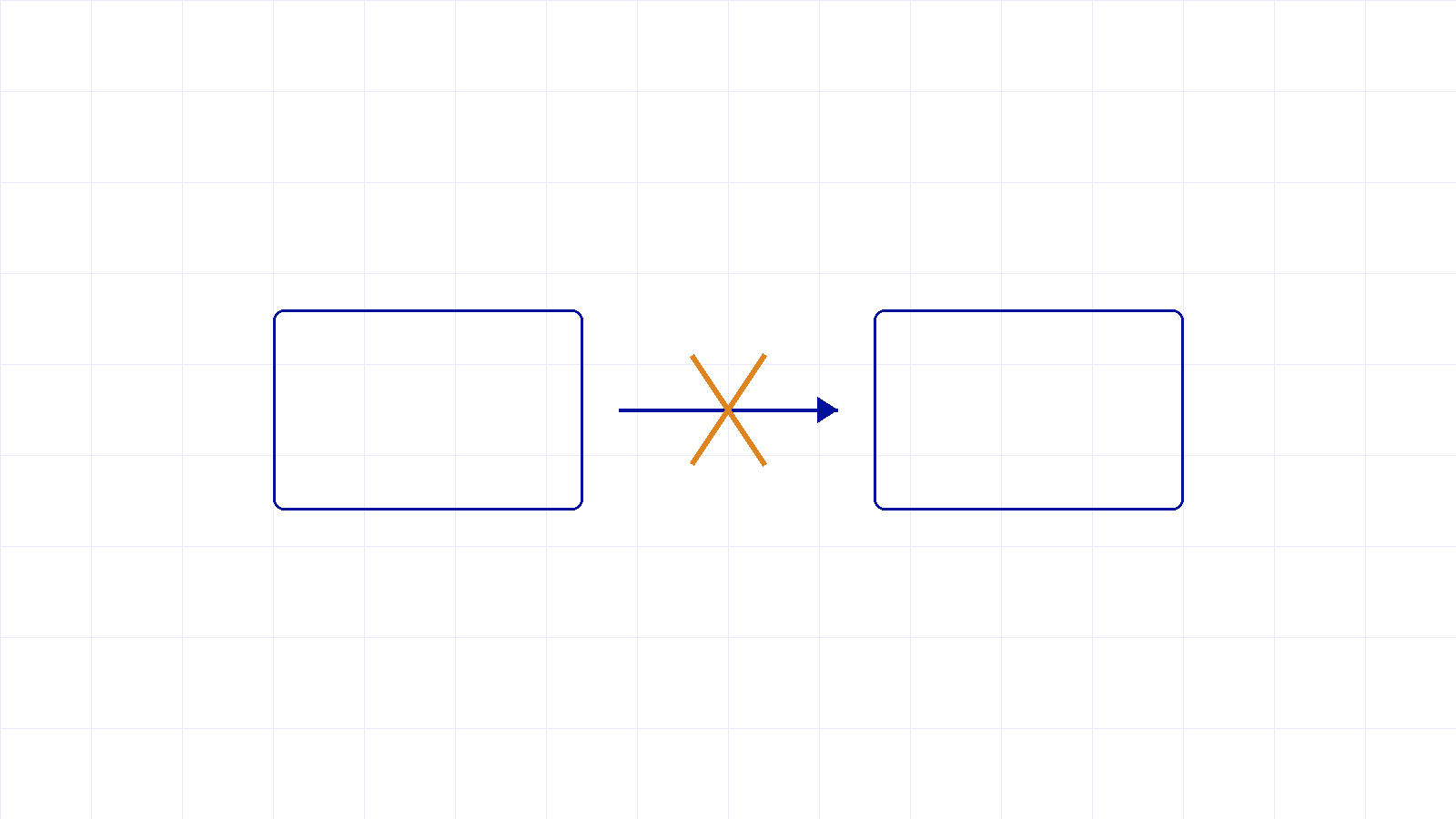
Moving platforms is expensive, risky, and disruptive. It’s worth it when the platform itself is the ceiling, when the tool genuinely can’t do what the business now needs. It’s a waste when the real issues are content, process, or performance, because those follow you across the move untouched, and now you’re debugging them on unfamiliar ground.
Migrate when the platform is the problem. Not when you’re simply tired of it.
The useful move is to separate what you want from what’s actually wrong. Write the real problems down in plain language, then ask of each one: would this still exist on the new platform? Most of the time, most of the list survives the move, which means the platform was never the cause. This is the same clarity that keeps a stack from sprawling, and the same reason I choose tools by who has to maintain them rather than by what’s fashionable this year.
Before you greenlight a migration, write down the problems you’re actually trying to solve. If most of them would still exist on the new platform, you have your answer, and a much cheaper path. Sometimes the most valuable thing a consultant can do is talk you out of the expensive project you walked in wanting. That’s a conversation I’m always happy to have honestly at Dthree Digital, even when the honest answer is stay put. If a migration is on your table, it’s worth a second opinion first.
New writing on how the web actually gets built, plus the free pixel wallpaper pack when you subscribe.
Related reading
Tell me about your project. I read every message myself.
Get in touchBased in Manila, working with teams across time zones.