Platforms
Your website is a product, not a brochure
A brochure is finished when it prints. A product is never finished. Treating your site like the former is why it goes stale within a year.
A brochure is finished when it prints. A product is never finished. Treating your site like the former is why it goes stale within a year.
The most common way a good site dies isn’t a crash. It’s neglect. It launches, everyone celebrates, the project closes, the team moves on, and then nothing happens to it for two years. The content ages, the offers go stale, the one broken form quietly loses leads nobody counts. It was treated as a brochure, a thing you finish and print, when a website is nothing like a brochure. It’s a product, and products are never done.
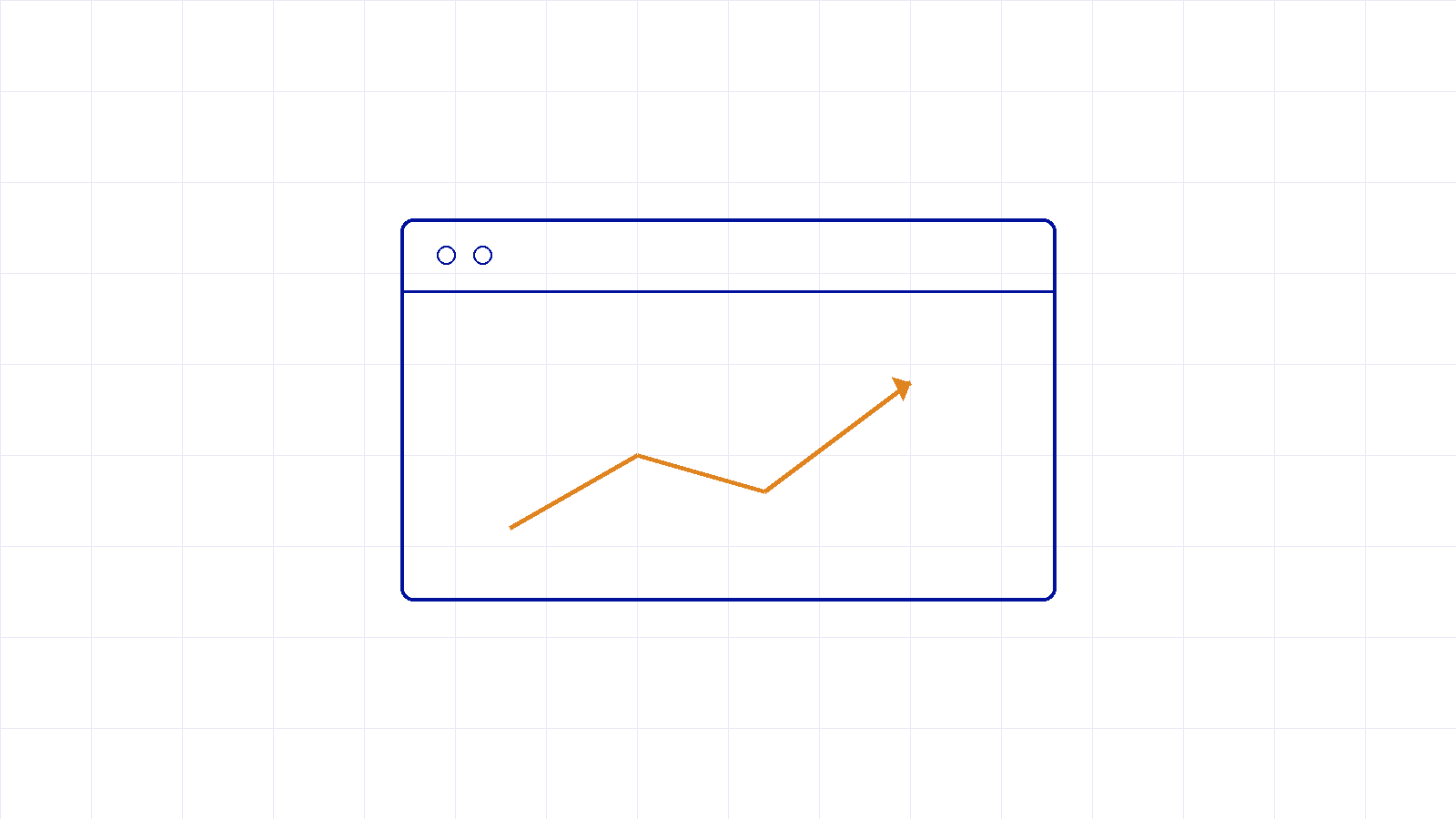
A brochure is designed, printed, and finished. A product is launched, watched, and improved. That single shift in framing, from finish it to run it, changes how you budget, staff, and think about the whole thing. You stop asking is it done and start asking is it working, which is a question with no final answer.
A website is never finished. It’s only launched, and then either tended or abandoned.
This is exactly why I care so much about building a CMS the client can actually run: a product needs a hand on it, and if every change requires a developer, the product quietly stops evolving. It’s also why the pages people actually land on need ongoing attention, not just the homepage, the point of the homepage isn’t the front door. A living site rewards the team that keeps showing up for it.
Budget for the year after launch, not just the launch. Decide who owns the site as a product, who watches what it does and improves it, before the project closes and everyone scatters. A site treated as a living product will quietly outperform a prettier one treated as a printed brochure, every single time. If your site has gone quiet since launch, it’s probably time to treat it like a product again.
New writing on how the web actually gets built, plus the free pixel wallpaper pack when you subscribe.
Related reading
Tell me about your project. I read every message myself.
Get in touchBased in Manila, working with teams across time zones.