Opinion
Design systems die in the handoff
A beautiful design system is worthless if it doesn’t survive contact with the build. Design it for the handoff, or watch it drift.

A beautiful design system is worthless if it doesn’t survive contact with the build. Design it for the handoff, or watch it drift.
I’ve seen gorgeous design systems, meticulous, every token named, every component considered, that were dead within a month of launch. Not because they were badly made, but because they never survived the handoff. The build drifted. A developer, under deadline, eyeballed a spacing value. A one-off color crept in for a campaign. Six weeks later the live site and the design system were distant relatives who no longer spoke. A design system isn’t a document. It’s a promise that has to be kept in code, every day, by people under pressure.
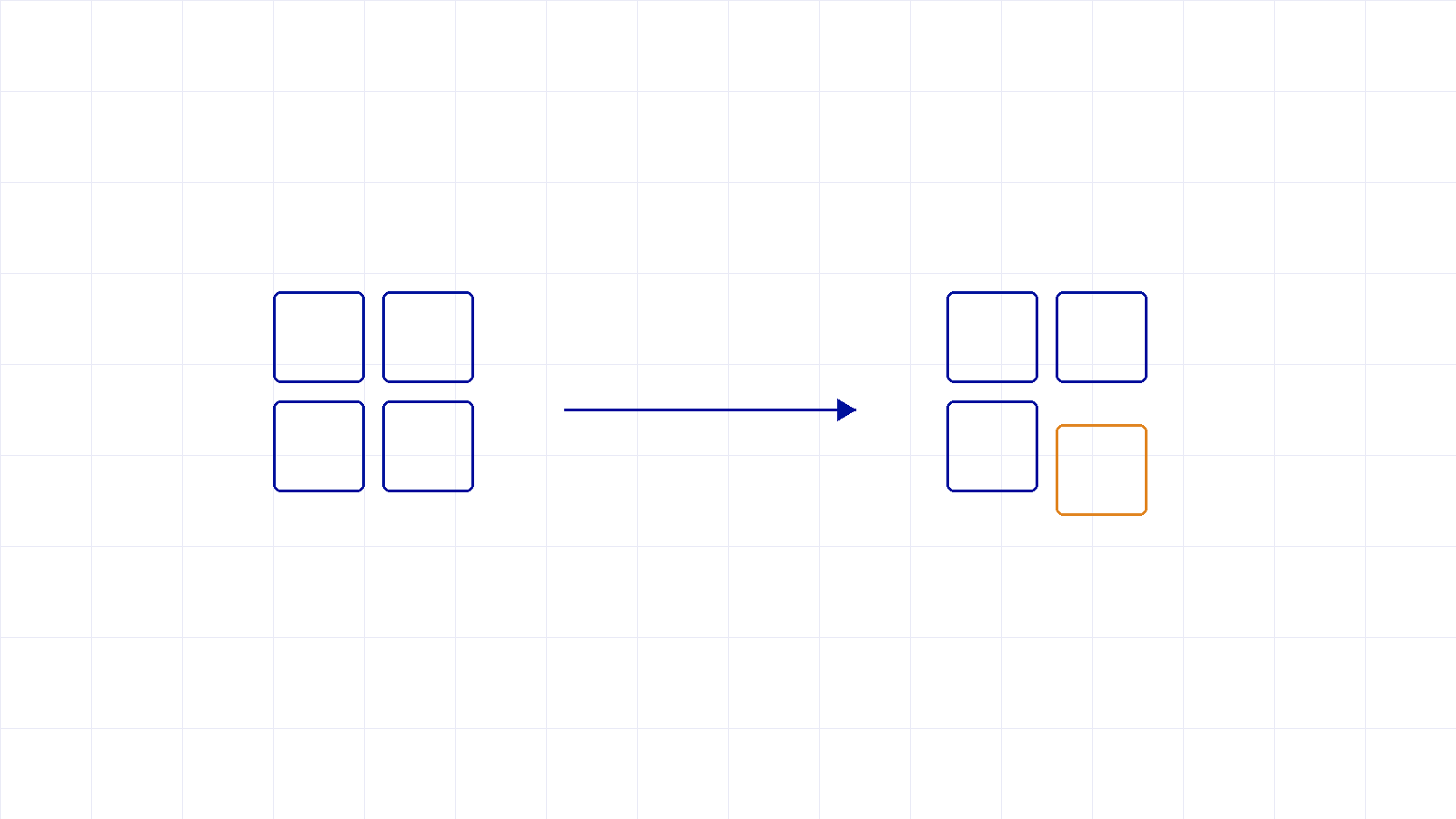
The system lives in two places at once, the design file and the running site, and those two drift apart the moment nobody is actively holding them together. The prettier the Figma file, the more painful the drift, because the gap between the promise and the reality grows in plain sight, and everyone can see the site no longer matches the beautiful source of truth.
A design system is only real to the extent the shipped site obeys it.
The systems that survive are designed for the people who implement them, not for the case study. Their tokens map one-to-one to the build. Their components are named the way developers reference them. The designer and developer share a vocabulary and review the real thing together, rather than lobbing a file over a wall, which is the whole argument of working with developers without losing the design. A slightly less elegant system that the build actually follows beats a beautiful one that dies the week after launch, every time.
Underneath, this is the same truth as so much of this work: the failure is almost never technical, it’s a conversation that didn’t happen. It rhymes with how scope creep is a communication failure and how you have to hold both the client and the user at once. Systems, like projects, drift when people stop talking.
Design the system for the handoff, not for the portfolio. Make it genuinely easy to implement, map the tokens cleanly to the build, and keep design and development close enough that drift gets caught in days, not months. Building systems that actually hold up in the real, deadline-bitten world is a good part of what we do at Dthree Digital. If your system and your live site have quietly stopped matching, that gap is fixable.
New writing on how the web actually gets built, plus the free pixel wallpaper pack when you subscribe.
Related reading
Tell me about your project. I read every message myself.
Get in touchBased in Manila, working with teams across time zones.