Opinion
The best feedback names the problem, not the fix
Make the logo bigger is a solution in disguise. The feedback that actually helps describes what’s wrong, and lets the designer solve it.
Make the logo bigger is a solution in disguise. The feedback that actually helps describes what’s wrong, and lets the designer solve it.
Every designer has heard it. Make the logo bigger. It’s the classic example of feedback that’s actually a solution in disguise, and usually the wrong solution. Because when you dig into it, the real issue is rarely the size of the logo. It’s that the brand doesn’t feel present enough, or the page doesn’t feel trustworthy, or the eye lands nowhere first. Making the logo bigger is one guess at fixing that, and often it just makes the page shout.
The most useful feedback describes the problem and leaves the fix to the person equipped to find it.
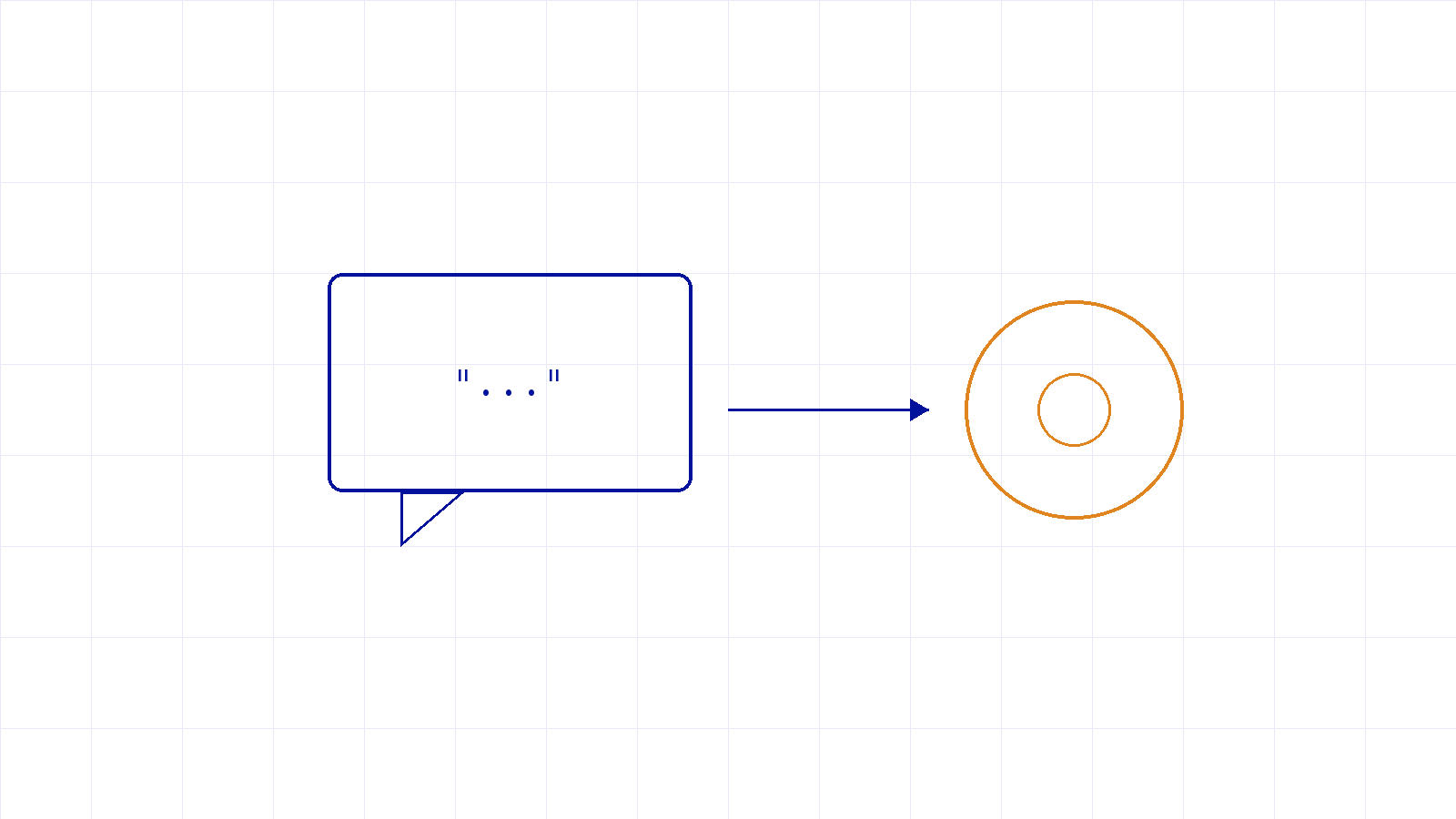
When you hand someone a solution, you have quietly done their job, badly, because you have skipped the diagnosis. When you hand them the problem, this section feels less trustworthy than it should, you give the designer or developer the one thing they need and the room to solve it properly, with the whole toolkit you can’t see. They might make the logo bigger. More likely they will do something better that you would never have thought to ask for.
Good feedback names the problem. Weak feedback prescribes a fix and hides the problem inside it.
This is the same trust that makes a design-to-build handoff work, the whole point of working with developers without losing the design: give the intent, not just the instruction. And it connects to holding the client and the user in tension, because a client naming a real problem is exactly the input a designer needs to serve both. Feedback framed as a problem is a gift. Framed as an order, it’s a constraint on the very expertise you hired.
Whether you’re giving feedback or teaching a client to, push for the problem, not the prescription. Ask what feels wrong and why, and let the person you trusted with the work do the solving. The projects that go well are full of problems named clearly and solved well, not solutions ordered and resented. If your review rounds keep circling, reframing the feedback is often what breaks the loop.
New writing on how the web actually gets built, plus the free pixel wallpaper pack when you subscribe.
Related reading
Tell me about your project. I read every message myself.
Get in touchBased in Manila, working with teams across time zones.